Konawasabi
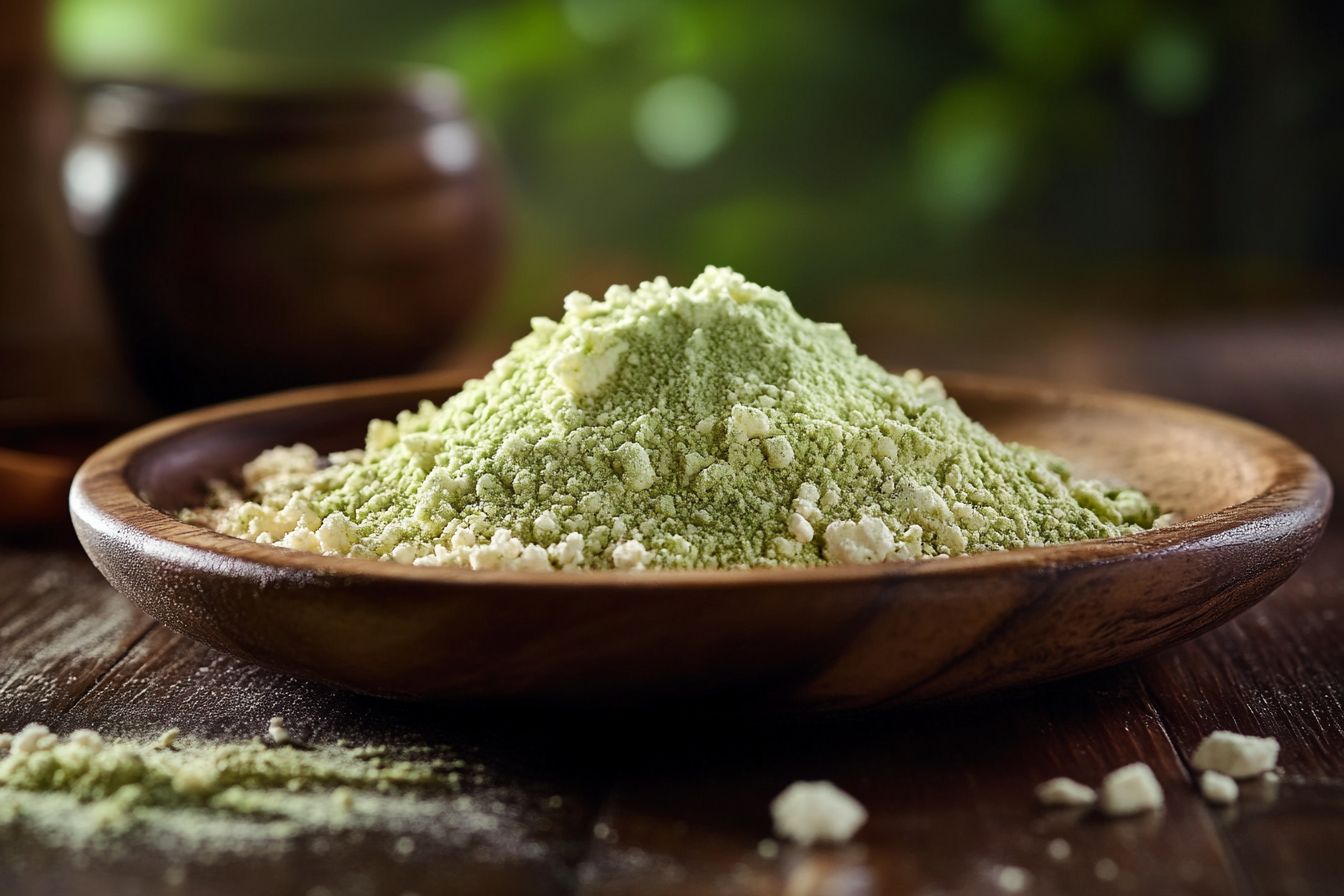
AI-generated: Premium Wasabi Powder on a Rustic Wooden Plate
Konawasabi refers to a processed form of wasabi in which the fresh root of the plant Wasabia japonica is ground into a fine powder. Compared with fresh wasabi, this form keeps longer and is easier to store. The powder can be mixed with water or other liquids to make a paste used in sushi preparation as well as in various sauces and marinades.
Historically, powdered wasabi was preferred in regions where growing fresh wasabi was difficult because of climatic conditions. Modern production methods have significantly improved the quality and flavor of Konawasabi, making it a widely used alternative to fresh wasabi today, especially in industrial food production and retail.
Despite the convenience and long shelf life of Konawasabi, many connoisseurs prefer fresh wasabi because it offers a more intense and complex flavor profile. Even so, Konawasabi remains an indispensable product in the global spread and popularization of Japanese cuisine.
It is important to distinguish between Hon Wasabi (本わさび), wasabi native to Japan, and Seiyou Wasabi (セイヨウわさび), which consists essentially of horseradish. In processed products such as Konawasabi and tube-based Neri Wasabi (練りわさび), manufacturers often use only Seiyou Wasabi or a mixture of both plants. Products that contain only Hon Wasabi are often classified as premium versions and therefore differ from the less expensive alternatives made with Seiyou Wasabi.
The term Konawasabi is composed of the Japanese words “kona” (粉), meaning “powder,” and “wasabi” (わさび).
References and Further Reading
- ウィキペディアの執筆者. 『ワサビ - Wikipedia』. 2024-10-31. Source retrieved 11/27/2024