
Newest or Updated Ingredients
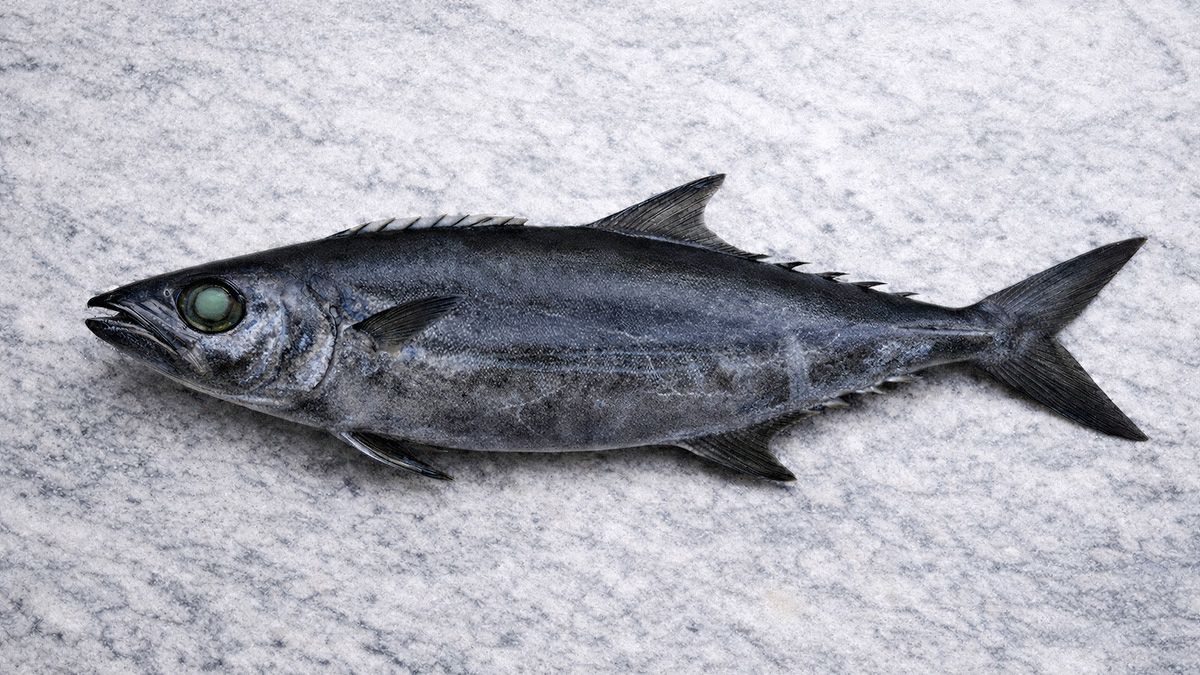
Aburasokomutsu Sushi
油底鯥寿司
Aburasokomutsu (油底鯥) is the standard Japanese name for escolar, Lepidocybium flavobrunneum (Smith, 1843), a large deep-sea fish in the snake mackerel family (Gempylidae). The genus Lepidocybium is monotypic. In international trade, the species is marketed under names such as "butterfish," "white tuna," or "super white tuna." None of these reflects a valid taxonomic grouping: the species belongs neither to the butterfish family (Stromateidae) nor to the tuna family (Scombridae).
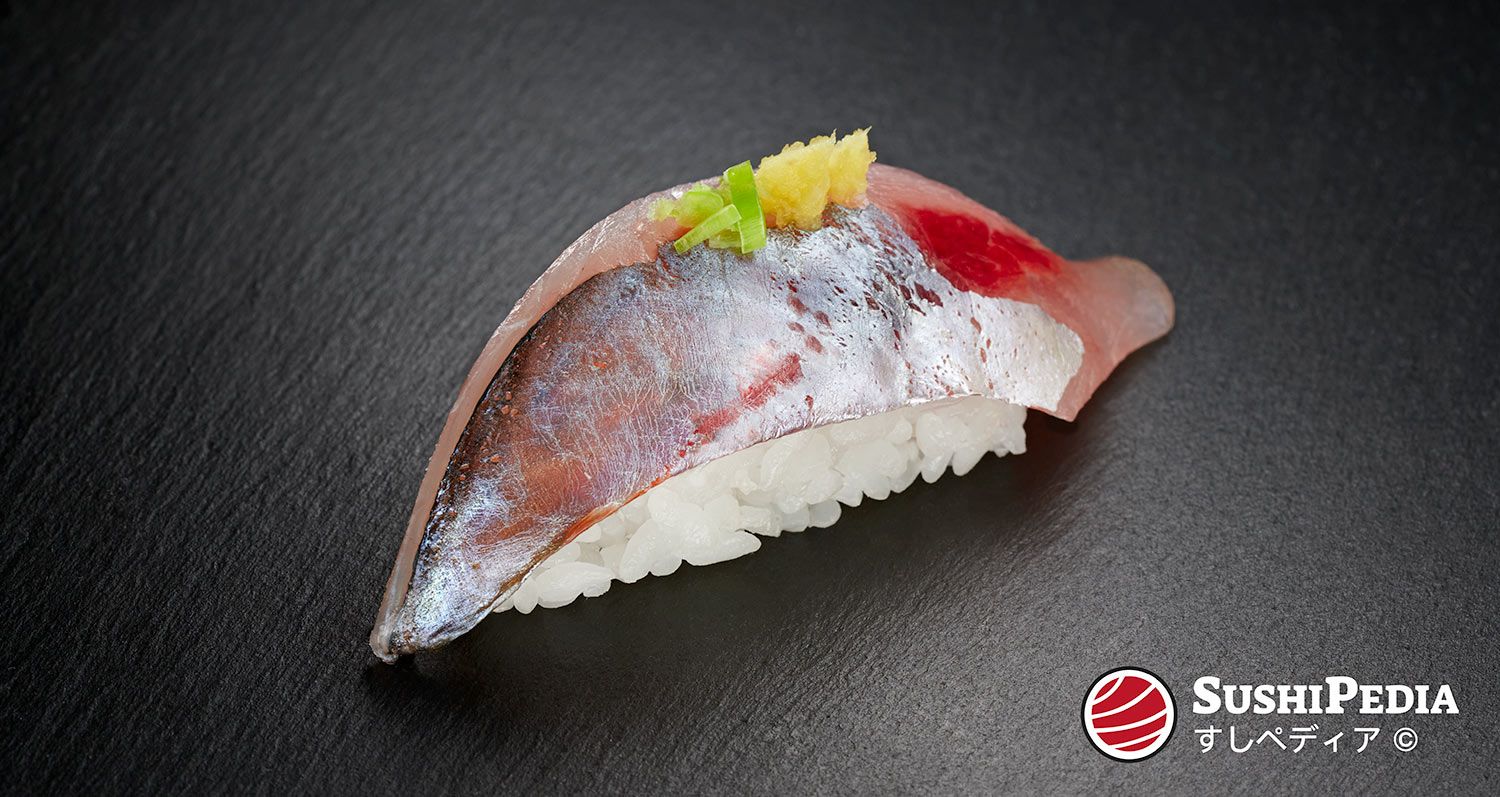
Aji Sushi
鰺寿司
Aji (鰺/鯵) is maaji (真鯵, Trachurus japonicus). At the sushi counter, at the fish market, in the supermarket – when the word stands alone and unqualified, it means this one species. In everyday use, aji means maaji. Some specialists use the word more broadly for other related fish with aji in their names, but that is not how most people use it. In the fish trade, aji usually means maaji as well.
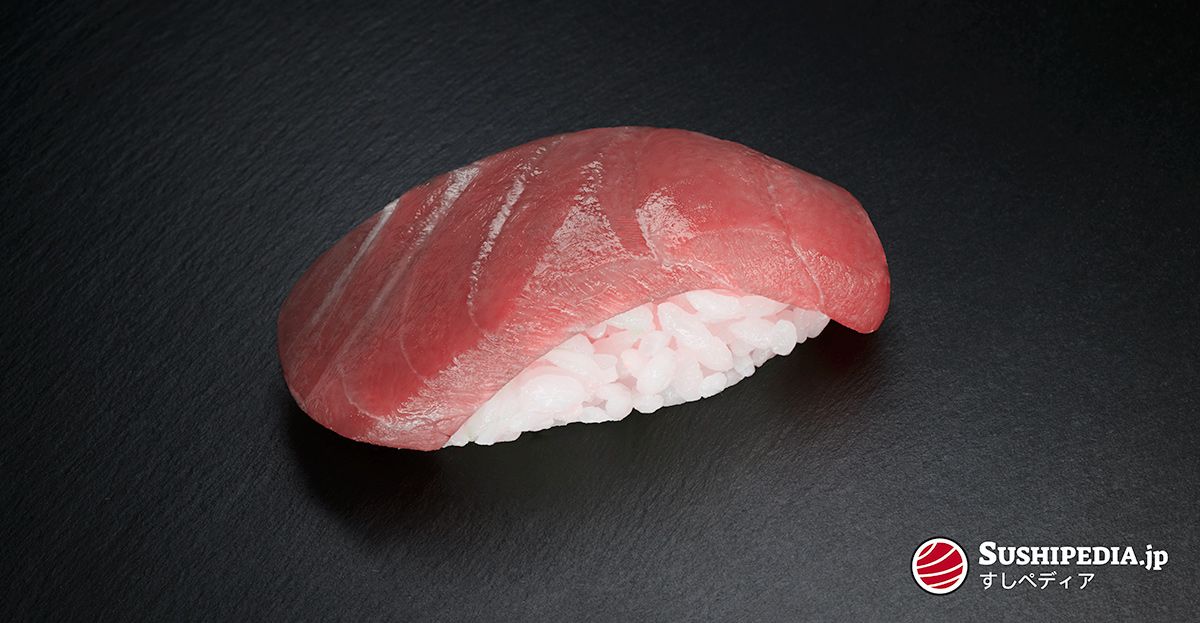
Maguro Sushi
鮪(黒漫魚・金鎗魚)寿司
Maguro (鮪) is the Japanese collective term for the eight species of the genus Thunnus. In upscale Japanese cuisine, the term frequently refers to the bluefin tunas, collectively known as hon maguro (本鮪, literally "true tuna") – the Pacific bluefin (T. orientalis), the Atlantic bluefin (T. thynnus), and the southern bluefin (T. maccoyii). For sushi and sashimi, the bigeye tuna (T. obesus), the yellowfin tuna (T. albacares), and to a lesser extent the albacore (T. ...
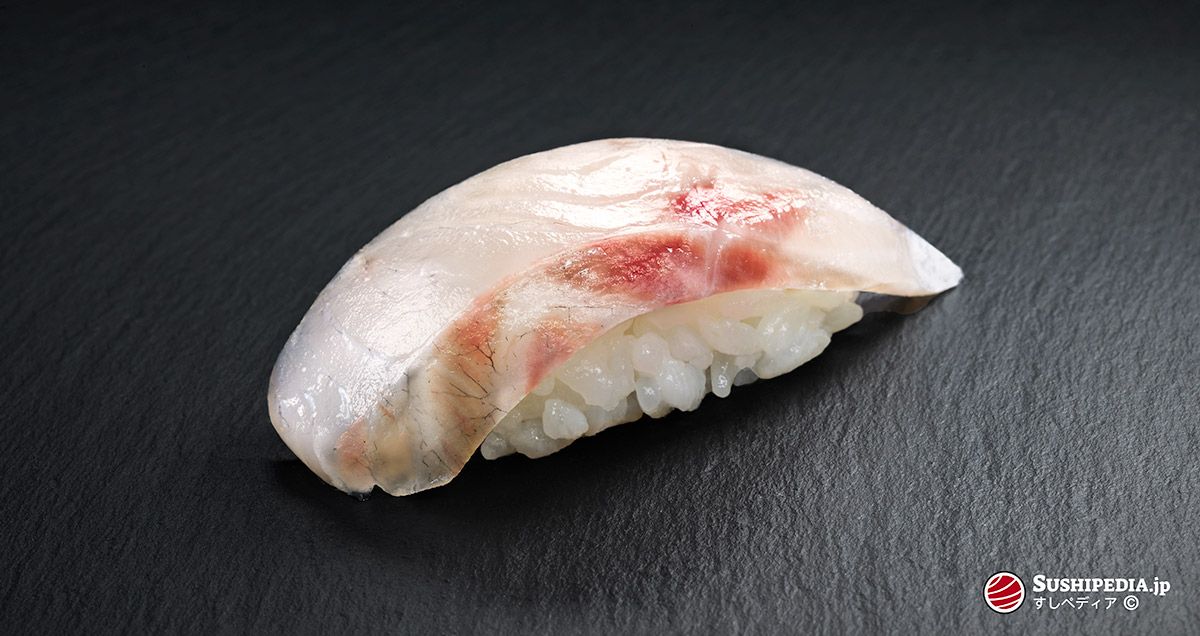
Suzuki Sushi
鱸寿司
Suzuki 鱸 (スズキ) is the Japanese name for the Japanese sea bass (Lateolabrax japonicus), a fish species from the perch order. This species is found in the Western Pacific and in coastal rivers. Suzuki is a traditional ingredient in edomae sushi and an essential part of many dishes in Japanese cuisine.
What is Sushipedia?
Sushipedia is a reference site for sushi and sashimi. Articles cover ingredients, their origins, seasonal availability, and preparation: from basic questions like “What is maguro?” or “What should I look out for when eating raw salmon?” to topics such as spawning behavior, fishing methods, and regional quality differences.
Beyond ingredients, Sushipedia examines the culture and institutions that shape Japanese cuisine: the markets where fish is traded, the techniques chefs use, and the quality standards that have developed in Japan over generations. Articles on topics like ikejime, the Tsukiji market, or the work behind the sushi counter place individual terms in their broader context.
Content draws on academic literature, Japanese-language sources, and conversations with chefs and industry professionals. Sources are cited directly in each article.
The World of Sushi & Sashimi
In Japanese cuisine, a dish is meant to engage all the senses: not just taste, but sight, texture, and aroma. Edomae sushi, the most common form of sushi today, embodies this principle: a combination of a topping (neta), a filling (gu), and vinegared rice (sumeshi or shari). Whether shaped as a roll (maki) or a hand-formed piece (nigiri), the essential ingredients remain the same.
These ingredients fall into five groups. Akami includes fish with red flesh, such as tuna. Shiromi are fish with white muscle tissue, such as sea bream. Hikarimono refers to fish with silvery, shimmering skin that are served skin-on, mackerel, for instance. Cooked or blanched ingredients like eel fall under nimonodane. Hokanomono covers everything that doesn’t fit the other categories, including sea urchin gonads.
Want to Know More?
Behind the names on a sushi menu are ingredients with their own seasonality, origins, and preparation history. Sushipedia explains the differences between individual fish and seafood, contextualizes Japanese terminology, and describes the techniques used to prepare them at the counter.
Articles cover topics such as which cuts of tuna qualify as akami, chūtoro, or ōtoro, why certain fish appear on the menu only during specific months, and how traditional methods like kobujime or sujime alter an ingredient’s flavor.